

History
“We study history so that we can know the past, engage in the present, and impact the future.”
Unknown
Intent
At the Liphook Federation, we aim to develop pupils’ understanding of Britain’s past and the wider world. We nurture curiosity, by encouraging pupils to ask perceptive questions, think critically, weigh evidence, and form balanced judgments. Through history, pupils learn about the complexity of people’s lives, the process of change, the diversity of societies, and relationships between groups, helping them understand their own identity and the challenges of their time. We are committed to inclusion by ensuring all pupils can access and engage with historical learning, and by representing diverse cultures and perspectives throughout the curriculum.
Implementation
Our curriculum develops both substantive knowledge (key facts and concepts) and disciplinary knowledge through seven strands: chronology, characteristic features, continuity and change, cause and consequence, significance, interpretation, and enquiry. Golden threads of types of rule, religion, invasion and settlement, innovation, and trade run through topics, helping pupils understand continuity and change over time. Teaching is carefully adapted through scaffolding and vocabulary support, so every pupil can succeed.
Learning begins with familiar experiences in the infant school—such as birthdays, toys, and local history - before moving to broader historical periods in the junior school, including the Stone Age, Romans, Saxons, Vikings, and ancient civilizations. Each year group explores engaging themes:
- Year R – Birthdays, Ourselves and Celebrations
- Year 1 – Toys, Space, Heroes
- Year 2 – Great Fire of London, Liphook Now and Then, Your Majesty
- Year 3 – Stone Age, Romans
- Year 4 – Saxons, Vikings, Canada Day
- Year 5 – Crime and Punishment, Ancient Egypt
- Year 6 – Ancient Greece, Islamic Golden Age
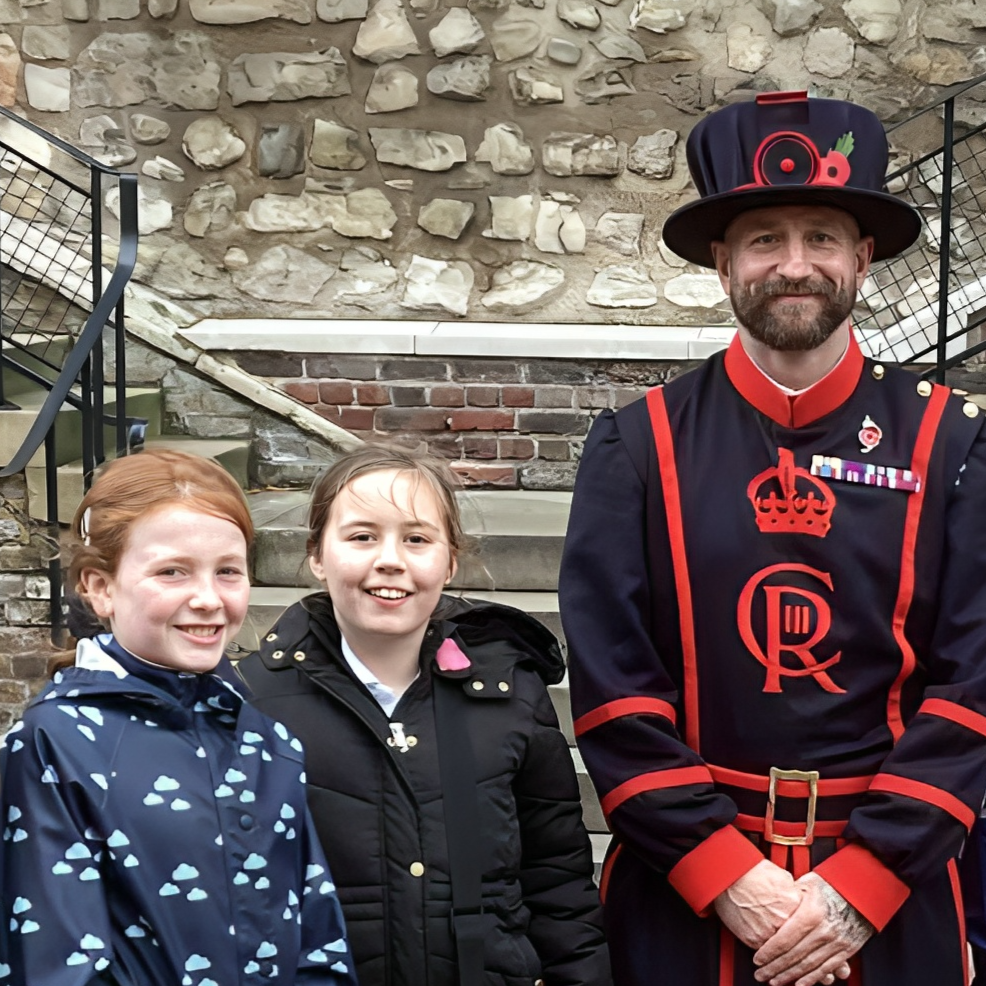
We make learning engaging through drama, role-play, visitors, and trips (e.g., Windsor Castle, Butser Ancient Farm, and The Tower of London). Highlights include Canada Day celebrations and a World War I local history project, which connect pupils to global links and community heritage. Our partnership with The Commonwealth War Graves Commission and use of digital archives brings history to life, while technology and oracy deepen understanding.
Impact
By the time pupils leave the Federation, they have a secure understanding of a broad range of local, British, and world history, alongside strong historical skills. They are able to think critically, ask perceptive questions, and use evidence to form balanced judgments. Their growing knowledge will help them understand how people and places have changed over time and how the past continues to shape life today.